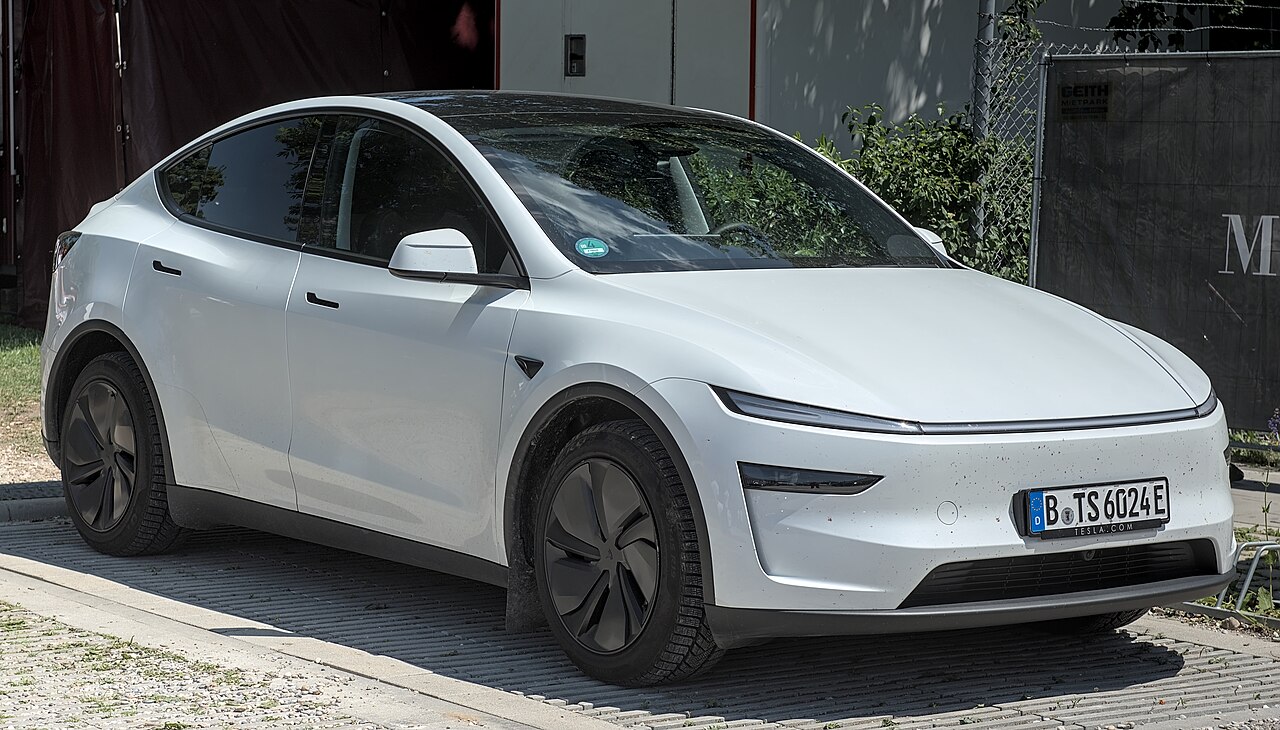
Defining the Tesla Robotaxi: A Vision for Autonomous Mobility
At its core, the
Tesla Robotaxi represents an ambitious leap towards a fully autonomous ride-sharing future. Envisioned as a service where Tesla vehicles operate entirely without human intervention, it promises a transformative approach to urban transportation. This innovative concept moves beyond traditional car ownership and even current ride-hailing models by leveraging cutting-edge artificial intelligence to navigate our roads safely and efficiently. The ultimate goal is to offer a transportation solution that is not only more convenient and accessible but also significantly more sustainable, reducing congestion and carbon footprints in bustling cityscapes.
The promise of the Tesla Robotaxi lies in its ability to redefine personal mobility. Imagine summoning a vehicle that arrives at your doorstep, takes you to your destination, and then autonomously continues its journey to pick up the next passenger – all without a driver. This vision speaks to a future where car ownership becomes less of a necessity, and on-demand, personalized transport is the norm. It's a bold declaration from Tesla, positioning itself not just as a car manufacturer, but as a leader in the evolving landscape of future mobility services.
The Technological Backbone: AI, Sensors, and Real-time Intelligence
Bringing the vision of a truly autonomous ride-sharing service like the
Tesla Robotaxi to life demands an extraordinary convergence of advanced technologies. Tesla's strategy hinges heavily on its proficiency in artificial intelligence (AI), machine learning (ML), and sophisticated sensor systems, setting it apart in the automotive industry.
At the heart of every Tesla Robotaxi vehicle is a comprehensive suite of hardware. This includes numerous high-resolution cameras strategically placed around the vehicle, providing a 360-degree view of its surroundings. These cameras are complemented by other sensors, such as ultrasonic sensors, which are vital for short-range obstacle detection and parking maneuvers. Together, these components serve as the vehicle's eyes and ears, continuously perceiving the environment, recognizing potential hazards, understanding complex traffic patterns, and identifying pedestrians or other road users.
This deluge of sensory data is then fed into the vehicle's high-performance onboard computers. These powerful processors are capable of analyzing vast amounts of information in real-time, executing complex computations at lightning speed. This enables the vehicle to make instantaneous, informed decisions critical for safe navigation – from adjusting speed and maintaining lane discipline to executing turns and reacting to unexpected events.
Furthermore, machine learning algorithms play a pivotal role. Through continuous learning from millions of miles driven by Tesla's global fleet (both human-driven and under assisted driving modes), these algorithms are constantly refined. This iterative process allows the system to improve its ability to handle an ever-expanding array of complex driving scenarios, from adverse weather conditions to intricate urban intersections. This blend of robust hardware, real-time processing, and adaptive machine learning not only powers the Tesla Robotaxi but also positions Tesla at the forefront of the autonomous vehicle market, ensuring the system can operate securely and efficiently across diverse environments.
Seamless User Experience: Inside the Robotaxi App
For the
Tesla Robotaxi to truly succeed, the technology under the hood must be matched by an equally intuitive and robust user experience. Tesla has designed its Robotaxi app to be the central interface for this new form of mobility, promising a seamless and highly personalized journey from start to finish.
The core functionality of the app revolves around effortless ride-hailing. Users will be able to request a ride with just a few taps, leveraging GPS technology to precisely locate their position and dispatch the nearest available Robotaxi. Real-time tracking will be a crucial feature, providing estimated arrival times and allowing passengers to monitor their vehicle's approach, effectively managing their wait times.
Beyond mere transportation, the app aims to deliver a tailored experience. Passengers will likely be able to store personal preferences, influencing various aspects of their ride. Imagine stepping into a Robotaxi that already knows your preferred music genre, sets the temperature to your ideal level, or even plans charging stops for longer journeys, if you opt for it. This level of customization underscores Tesla's commitment to making each trip not just efficient, but genuinely enjoyable.
Financial transactions are streamlined through integrated in-app payments, supporting various methods including credit cards, digital wallets, and potentially even Tesla-specific credits, ensuring a frictionless checkout process. Feedback mechanisms will be built-in, allowing users to rate their rides and provide valuable insights, contributing to the continuous improvement of the service.
Safety and inclusivity are also paramount considerations for the Robotaxi app. Anticipated features include emergency contact options and the ability to share ride details with trusted contacts, providing an additional layer of security and peace of mind. Furthermore, the app is expected to offer options catering to riders with disabilities or special needs, broadening accessibility and ensuring that the autonomous ride-sharing service truly serves a diverse demographic. The success of the
Tesla Robotaxi hinges on not just its autonomy, but on how effortlessly and safely users can integrate it into their daily lives. For a deeper dive into the app's functionalities and the underlying AI, explore
What is Tesla Robotaxi? AI, App, and Autonomous Ride-Sharing.
Navigating the Roadblocks: Regulation, Liability, and Skepticism
While the technological promise of the
Tesla Robotaxi is compelling, its path to widespread deployment is fraught with significant operational and societal challenges. One of the most intricate hurdles is navigating the fragmented legal and regulatory landscape. Autonomous vehicles currently inhabit a legal "gray area," with diverse and often conflicting laws across local, state, and national jurisdictions regarding their operation, particularly in a commercial ride-sharing context. Tesla must meticulously address these regulations, securing approvals and adapting its service model to comply with an ever-evolving legal framework.
Alongside regulatory complexities, establishing clear liability frameworks for accidents involving autonomous vehicles is critical. Traditional insurance models are ill-equipped to handle situations where there is no human driver. New insurance paradigms will need to emerge to cover the unique risks associated with operating an autonomous fleet, clearly defining who is responsible – the manufacturer, the fleet operator, or even the AI itself – in the event of an incident.
Public perception and skepticism also present a formidable barrier. The concept of fully autonomous vehicles still elicits caution and distrust from a significant portion of the public. This skepticism was notably highlighted by John Krafcik, former CEO of Waymo, a pioneer in autonomous driving. Krafcik sharply critiqued Tesla's early "Robotaxi" efforts, particularly an invitation-only service in the San Francisco Bay Area that still involved human safety drivers. His pointed remark, "If they were striving to re-create today's Bay Area Uber experience, looks like they've absolutely nailed it," underscores a crucial distinction: a true robotaxi operates without *any* human presence, whether as a driver or a supervisor. The current practice of having employees in the car, even for monitoring purposes, deviates from the core definition of a fully autonomous service, creating confusion and potentially eroding public trust in the "Robotaxi" label. This debate over true autonomy vs. assisted driving is central to understanding the current state of Tesla's offering. For more on this critical distinction, consider reading
Tesla Robotaxi: Is It Truly Autonomous?
Beyond these, practical operational challenges include efficient fleet management – ensuring vehicles are adequately charged or maintained, managing dispatch to meet demand, and addressing issues like vandalism or unexpected vehicle malfunctions without on-site human supervision. Overcoming these multi-faceted hurdles requires not just technological prowess but also robust policy engagement, public education, and unwavering commitment.
The Future of Urban Transport: Prospects and Challenges
The advent of the
Tesla Robotaxi, despite its current challenges, holds the promise of fundamentally reshaping urban transportation. On the upside, the prospects are transformative. Widespread adoption could lead to a significant reduction in traffic congestion, as highly optimized autonomous vehicles could potentially minimize idle time and parking needs. This, coupled with the inherent efficiency of electric vehicles, would contribute to lower carbon emissions, making our cities cleaner and healthier. Economically, consumers could benefit from potentially lower transportation costs compared to car ownership or traditional ride-hailing services, making mobility more accessible to a broader population, including the elderly or those unable to drive. Furthermore, robotaxis could open up new business models and foster innovation in urban planning and logistics.
However, the road ahead is not without significant obstacles. Public trust and acceptance remain perhaps the greatest non-technical challenge. Overcoming ingrained skepticism and fear of autonomous systems requires a flawless safety record and transparent communication. Ethical considerations, such as the "trolley problem" in extreme accident scenarios, demand robust ethical programming and societal consensus. Cybersecurity is another critical concern; a fleet of internet-connected autonomous vehicles presents a tempting target for malicious actors, necessitating ironclad security protocols.
Infrastructure adaptation is also key. Cities would need to evolve to support a predominantly autonomous fleet, including widespread charging infrastructure, smart traffic management systems that communicate with robotaxis, and designated pick-up/drop-off zones. Finally, the societal impact, particularly concerning job displacement for professional drivers, is a complex issue that requires careful planning and potential retraining programs. The journey to a fully autonomous urban landscape, championed by concepts like the Tesla Robotaxi, is therefore a delicate balance of technological advancement, regulatory foresight, and thoughtful societal integration.
Conclusion
The
Tesla Robotaxi represents more than just an autonomous vehicle; it embodies a bold vision for the future of urban mobility – one where convenience, sustainability, and accessibility converge. While Tesla's technological prowess in AI and sensor integration is undeniable, bringing this vision to full fruition involves navigating a complex web of regulatory hurdles, liability concerns, and the inherent skepticism that accompanies disruptive innovation. The distinction between truly driverless operation and current assisted systems, highlighted by industry experts, underscores the critical steps still required for widespread deployment. As Tesla continues its development, the global community watches keenly, recognizing that the success of the Robotaxi could unlock unprecedented efficiencies and environmental benefits for our cities, redefining how we interact with transportation in the 21st century. The journey is long and multifaceted, but the potential rewards are immense, promising a profound impact on society.